Wikipedia Backlinks: We Checked 2,881 Links on 23 Articles. All Were Nofollow

Every external link on 23 Wikipedia marketing articles was nofollow, and 164 citations already point to an archived copy because the original died. Here is what a Wikipedia citation is worth, and how to earn one without breaking Wikipedia's rules.
Wikipedia backlinks are always nofollow: on 23 marketing and tech articles we checked, all 2,881 external links carried rel="nofollow", so a Wikipedia link passes no direct ranking value. It can still be worth having for the readers who click it and the credibility of being the source. You earn one by publishing something editors want to cite, not by adding your own link, which Wikipedia's conflict-of-interest rules tell you not to do.
In a hurry? The five steps: find articles in your field with dead or missing citations, publish a source that meets Wikipedia's reliable-source rule, propose it on the article's talk page with your affiliation disclosed, let an independent editor decide, and track referral visits rather than link equity. Each step is explained below.
On November 2, 2026 we looked at:
- 23 English Wikipedia articles in marketing, SEO and software, from Search engine optimization and Backlink to Shopify, HubSpot and WordPress. We pulled each page through Wikipedia's own API, read the rel attribute on every external link, and sorted all 1,679 citations that carry a web address by domain and by whether the original page is still alive.
- 12 ranking guides on Wikipedia backlinks, tallied for what they claim and what they leave out.
- Wikipedia's own rules on external links, conflict of interest and paid editing, quoted word for word.
Are Wikipedia links nofollow?#
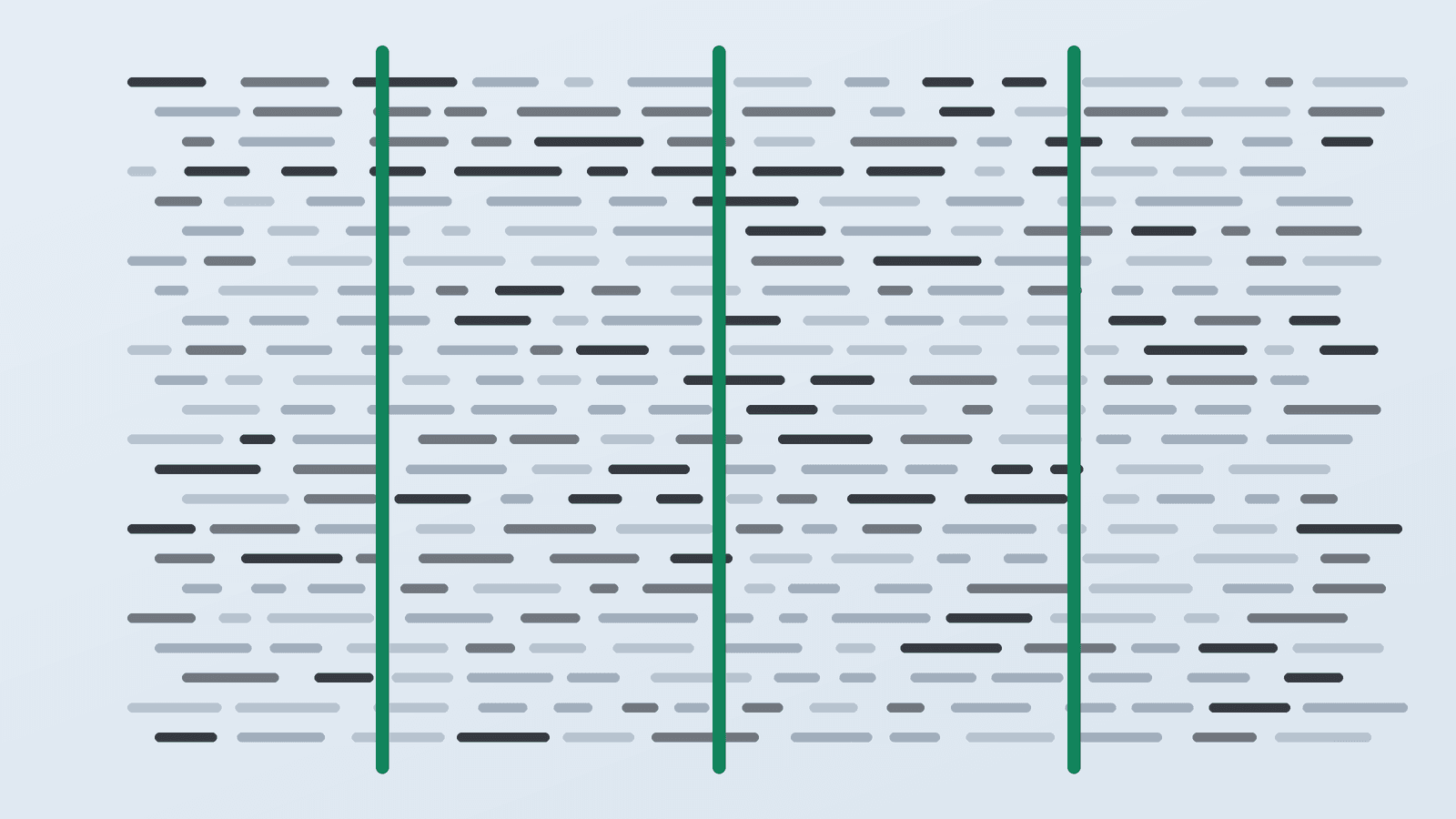
Yes, every one. Across the 23 articles, all 2,881 links that point off Wikipedia carried nofollow. The only links without it were Wikipedia's own edit buttons and Wikimedia tools. On the live HubSpot article, the exact attribute is rel="mw:ExtLink nofollow", the first part being an internal marker from Wikipedia's software.
This isn't new. English Wikipedia turned on nofollow for article links on January 20, 2007, at Jimmy Wales's request, according to the Wikimedia page that records the decision. Wikipedia's external links guideline is blunter than any SEO guide:
"adding your website to Wikipedia will not help with search engine optimization, because Google and other search engines ignore links on Wikipedia."
One caveat: since 2019 Google has treated nofollow as a hint rather than a strict rule. Its announcement also said, "We'll generally treat them as we did with nofollow before and not consider them for ranking purposes." So a Wikipedia link might count for something, but nobody outside Google can show that it does. Treat any ranking benefit as a bonus you can't plan around. Our dofollow vs nofollow guide covers the attribute in more detail.
Where a Wikipedia link can still help#
If the link passes no ranking value, why bother? Three reasons hold up.
- Readers click citations. People checking a fact follow the source. For a research-heavy page, those are interested visitors.
- Your page becomes the cited source. Writers who start their research on Wikipedia may go on to cite the same sources, and some of those links would be followed. We can't measure that from a page check, so treat it as plausible, not proven.
- AI search leans on Wikipedia. In our backlinks for AI search study, Wikipedia was among the domains AI tools cite most, even though its 66 outbound links on the page we tested were all nofollow. Being one of its sources puts your page in the material those tools read.
None of those is a ranking signal you can count on, and all three depend on the citation staying on the page. That is why how you get it matters more than the link itself.
Dead citations are the opening#
Wikipedia keeps archived copies of many sources. Of the 1,679 citations with a web address in our sample, 752 (45%) also carry an archived copy, mostly from the Wayback Machine. In 164 of them (9.8%), editors have marked the original as dead or unfit, so the citation now sends readers to the archived copy instead.
That's about 7 dead citations per article, but they're unevenly spread. Online advertising alone has 45 of 143 marked dead. WordPress has 16 and Google Search 15. Small articles such as Link farm have none. Only one visible "dead link" tag appeared across all 23 pages, because bots such as InternetArchiveBot swap in archive links before most readers would notice.
This is where most guides get the method half right. A dead citation is a real gap: an editor would welcome a live source that supports the same sentence. But the archived copy already supports that sentence, so a replacement has to be at least as good as the original, not just alive. And the person who suggests it shouldn't be the person who published it, which brings us to the rules.
Who Wikipedia actually cites#
We grouped the original sources behind those 1,679 citations by domain. There were 656 different domains, and 471 of them were cited only once.
Trade press and primary documentation lead, not SEO blogs. TechCrunch was cited 102 times, academic papers via doi.org 100 times, WordPress.org documentation 70, and Search Engine Land 53. Government sources like the FTC appear 18 times.
What doesn't appear is just as telling. Ahrefs, Moz and Backlinko, three of the biggest publishers of link-building guides, were cited zero times across these 23 articles, including the ones on SEO, backlinks and PageRank. Semrush and HubSpot appear 8 times in total, mostly on their own company articles, where Wikipedia cites a company for facts about itself.
That fits Wikipedia's reliable sources guideline: articles "should be based on reliable, published sources," and editors should "prefer secondary sources." A vendor's how-to post is a primary, promotional source. A dataset, a study with clear methods, or reporting in the trade press is what gets cited. The long tail of 471 single-citation domains is the good news: you don't need to be TechCrunch, you need one page that's the best source for one sentence.
What 12 guides on Wikipedia backlinks say#
We read 12 guides that rank for Wikipedia backlinks, from Content Marketing Institute and Search Logistics to SEO Buddy and eesel AI.
10 of 12 imply that the link boosts rankings anyway, and 10 of 12 also admit it's nofollow. Content Marketing Institute's guide says "Google gives heavy weight to Wikipedia links despite the fact that they're no-follow." SEO Buddy promises "high-value backlinks with a lot of link juice." None of the 12 shows data for those claims.
9 of 12 tell you to add your own link, usually by finding a dead citation and swapping in your page. Only 3 mention Wikipedia's conflict-of-interest rules, only 2 mention that paid editors must disclose, and only 3 suggest using the article's talk page. 11 of 12 do warn that links get removed, which is accurate, and it's the predictable result of the method most of them teach.
What Wikipedia's rules say#
Three rules matter, and they're short.
- Don't link to your own site. The external links guideline says "you should avoid linking to a site that you own, maintain, or represent," and suggests going to the talk page to "let another editor decide."
- Conflict-of-interest editing is discouraged. The conflict of interest guideline says "COI editing is strongly discouraged," and that editors with a conflict "can propose changes on article talk pages instead."
- Paid editors must disclose. Per the paid-contribution disclosure policy, "If you were paid or expected to be paid in any way for contributing to Wikipedia, you must disclose it." That requirement comes from the Wikimedia Foundation's Terms of Use, so an agency adding client links without saying so is breaking the site's terms, not just a style guideline.
The talk-page route is slower, but the citation it produces is more likely to last. An independent editor has checked it, and a disclosed request leaves a record. A link slipped in by a brand-new account is the first thing patrolling editors remove.
How to earn a Wikipedia citation#
1. Find the gaps in your field. Search Wikipedia for your topic and look for "citation needed" tags, citations marked dead, and claims backed by an old or weak source. Tools that list dead links are fine for finding them. Pick sentences your own work could genuinely support.
2. Publish a source that meets the bar. That means original data with a clear method, a well-documented standard, or a page an editor can verify. Look at the domain chart again: Wikipedia cites evidence, not opinions. This is the same asset that earns links elsewhere, so see our guide to linkable assets for formats that work.
3. Propose it on the talk page and disclose. Open the article's talk page, say who you are and that you're affiliated with the source, quote the sentence, and suggest the citation. For a formal request, Wikipedia's conflict-of-interest guideline points to the "edit COI" template.
4. Let an independent editor decide. If they decline, take the explanation as feedback on the source, not a reason to edit it in yourself.
5. Track visits, not link equity. Watch referral traffic from wikipedia.org in your analytics, and look out for other writers citing your page afterwards. Those followed links from people who found you through Wikipedia are where the real value is.
Where Wikipedia fits in a link building plan#
Wikipedia is a slow, low-volume channel. A handful of citations a year from careful talk-page requests is a good result, and none of them passes direct ranking value. Treat it as a test of whether you've built something worth citing.
That leaves the question of where your followed links will come from. Our data points the same way as Wikipedia's rules: the links that pass ranking value sit on other people's sites, and you get them by asking the people who run those sites. Bloggers, publishers and resource-page owners will link to a useful page, but only if someone finds them, pitches them personally and follows up. GenLink is an AI backlink agent built to do it every day: you describe your site in a short brief, and the agent finds relevant pages, writes a personal email to each owner and follows up. The data asset you build for Wikipedia is exactly what it pitches.
Frequently asked questions#
Are Wikipedia backlinks dofollow? No. Every external link we checked on 23 English Wikipedia articles, 2,881 in total, was nofollow, and English Wikipedia has applied nofollow to article links since January 2007.
Do Wikipedia backlinks help SEO? Not directly. Wikipedia's own guideline says search engines ignore its links, and Google has said it generally doesn't use nofollow links for ranking. The indirect value is referral traffic and other writers citing your page after finding it on Wikipedia.
How do I get a backlink from Wikipedia? Publish a reliable source, ideally original data or reporting, then propose it on the relevant article's talk page with your affiliation disclosed, and let an independent editor add it.
Can I add my own website to Wikipedia? Wikipedia's external links guideline says you should avoid linking to a site you own, maintain or represent. Propose it on the talk page instead.
Is dead link building on Wikipedia allowed? Suggesting a better source for a dead citation is welcome. Swapping in your own page yourself is a conflict of interest, and it's the kind of edit most often removed.
Do I need to disclose paid Wikipedia edits? Yes. If you're paid, or expect to be paid, for an edit, the Wikimedia Foundation's Terms of Use require you to disclose your employer, client and affiliation.
Are Wikipedia links worth it for AI search? Possibly. AI tools cite Wikipedia heavily, so being one of its sources puts your page in front of them, but that's a reason to be cited, not a ranking boost you can measure.
The short version#
Don't add a link to Wikipedia. Become the source it cites. Every link on Wikipedia is nofollow, and Wikipedia says so itself. A citation is still worth earning for the readers and the writers who follow it, but only the honest way: publish a source worth citing, propose it on the talk page, disclose who you are, and let an editor decide. Then spend most of your link building time on outreach to sites whose links do count. Write your first brief on the free plan and let the agent start it for you.
Method: 23 English Wikipedia articles fetched through the MediaWiki API (action=parse) on November 2, 2026; one article (Moz) failed to parse and is excluded. A citation counts as dead when its title links to the archived copy, which is how Wikipedia's citation templates show a source marked dead or unfit. Guides read the same day.