SaaS Link Building: 5 Steps to Links Your Product Earns

Most SaaS link building guides sell guest posts. Software companies own something better: a product people can link to. What earns links, where Google draws the line, and a five-step plan.
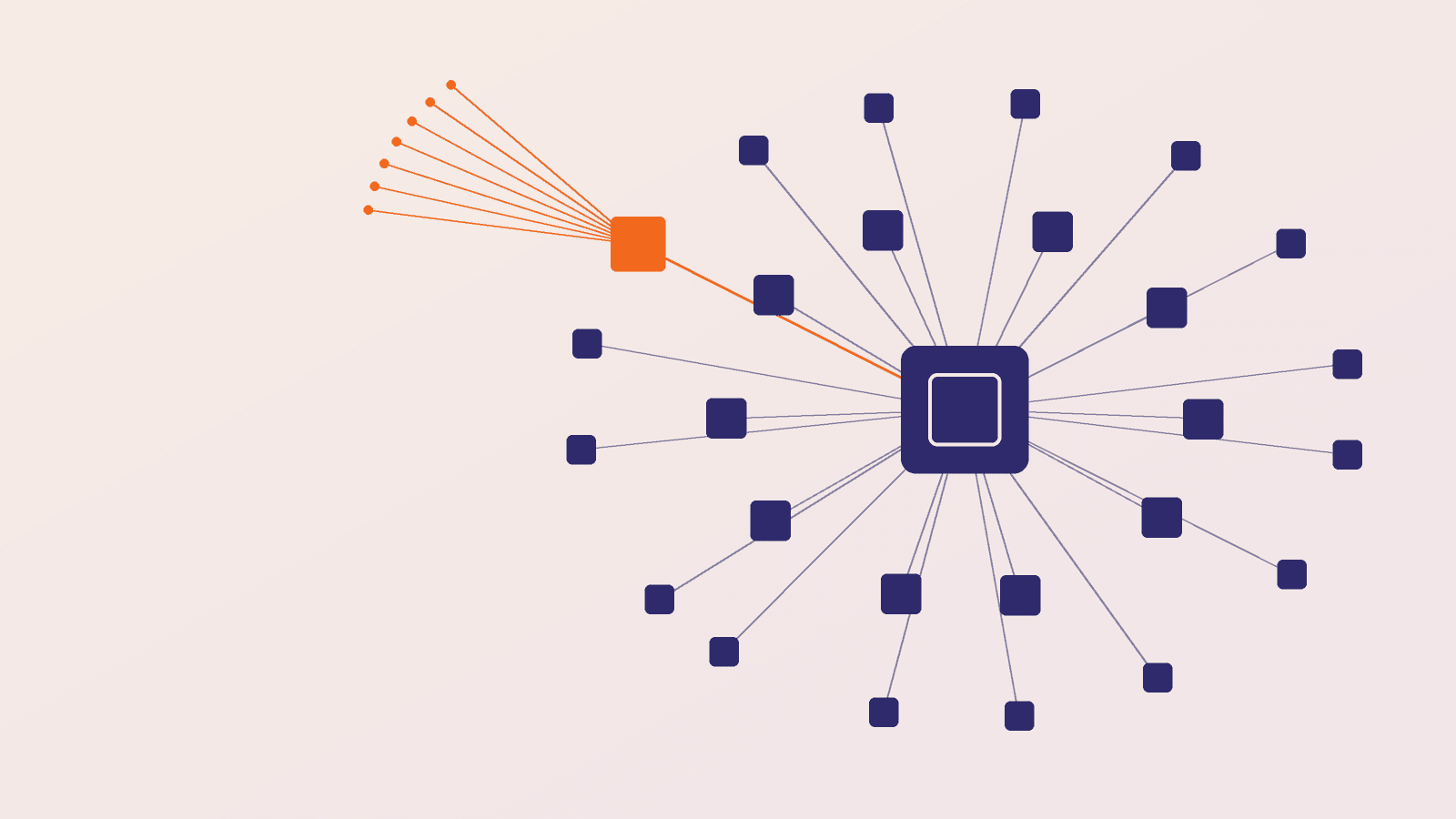
SaaS link building is earning links from other websites to a software company's site, usually to free tools, templates, original data and integration pages, then passing that authority through internal links to the feature and pricing pages that convert. Software has an advantage most niches lack: the product itself can be the thing people link to.
Most SaaS link building guides skip that and sell guest posts. This one starts from what a software company already owns, checks each tactic against Google's own link spam policy, and ends with a five-step plan you can run with a small team.
Short answers#
- What is SaaS link building? Getting other sites to link to a software company, with the links aimed at pages that can earn them and passed on to pages that sell. Full answer below.
- What are the best SaaS link building tactics? Free tools, templates, original product data, real integration pages and outreach that offers those assets. The asset list.
- Are integration and partner pages good links? Yes, when the integration is real and the page helps users. Google calls out "partner pages exclusively for the sake of cross-linking." Where the line is.
- Should a SaaS company buy guest posts? Not for ranking. Google's policy counts paid links as spam unless they carry rel="sponsored" or rel="nofollow". What the policy says.
- How long until links move rankings? Months, not weeks, and it depends on the page and the competition. Timing.
That covers the search. Each answer in detail comes next, then the five-step plan, then the evidence.
What is SaaS link building?#
It is ordinary link building with one difference: the asset is usually software. A blog post can earn a link. A free calculator that solves a problem in ten seconds can earn hundreds, because writers link to it every time they explain the problem.
The trouble is that the pages a SaaS company most wants to rank, the feature, comparison and pricing pages, are the pages nobody links to on their own. No journalist cites a pricing page. So SaaS link building is really two jobs:
- Earn links to pages people want to cite.
- Pass that value on, through internal links, to the pages that make money.
Skip the second job and you get a popular free tool and a product page that still sits on page three.
Which SaaS pages earn links?#
Ask a link index which pages on a software site attract links and the answer is rarely the product page. Ahrefs, describing its own site in its enterprise link building guide, says its most linked pages are "our homepage, some of our free tools, and our blog and data studies."
Free tools are the standout. In its guide to linkable assets, Ahrefs shows CoSchedule's Headline Analyzer with "16K+ links from 3.6K+ referring domains," the Coolors color scheme generator with "154K+ links from 5K+ RDs," and an ABV calculator with "2.3K links from 190+ RDs." Even the simplest of the three, a single-purpose calculator, drew links from more than 190 separate sites. But divide each link total by its linking sites and the totals stop meaning much: one site can link to a popular tool from hundreds of pages.
That is why every target in the plan below counts referring domains, not links. A tool with 154,000 links from 5,000 sites has the reach of 5,000 sites, and the 5,000 is the number to compare against your competitors.
These are the asset types that work for software companies, roughly in order of how often they earn links on their own:
- Free tools and calculators. A narrow slice of the paid product, no signup, solves one task fast.
- Templates and generators. Contracts, checklists, email templates, schema generators. Writers link them as the quickest way to get started.
- Original product data. Aggregate, anonymised numbers only your product can see, published as a study. This is the raw material of digital PR.
- Integration pages. One page per real integration, which partners can link from their own directories.
- Docs and API references. Developers cite good documentation in tutorials and answers.
Feature, pricing and comparison pages belong on a different list: the pages that receive authority through internal links, not the pages that attract it.
Are integration and partner page links safe?#
Usually, yes. A partner directory listing your integration is a link that exists because two products work together, and users clicking it get what they expected.
The line Google draws is purpose. Its spam policies, last updated 28 August 2026, list "Excessive link exchanges ("Link to me and I'll link to you") or partner pages exclusively for the sake of cross-linking" as link spam. A partner page with fifty logos and no working integrations behind them fits that description. So does a ring of SaaS companies swapping "partner" links. Our guide to reciprocal links covers where ordinary link swaps cross the line.
One more SaaS-specific trap: embeddable widgets and badges. Google lists "Keyword-rich, hidden, or low-quality links embedded in widgets that are distributed across various sites" as spam, and also "Widely distributed links in the footers or templates of various sites." A "Powered by" badge with your brand name is common. A badge carrying a keyword anchor such as "best project management software" is the pattern the policy names.
Should SaaS companies buy links or guest posts?#
Not for rankings. Google's policy lists "Buying or selling links for ranking purposes," including "Exchanging money for links, or posts that contain links," and advertorials with links that pass ranking credit, including in guest posts. It also says paid links are fine for advertising "as long as they are qualified with a rel="nofollow" or rel="sponsored" attribute." The dofollow vs nofollow guide explains the attributes.
That leaves unpaid guest posting, where you write something an editor wants and they choose to publish it. That is outreach, not a purchase. It is also slower and harder to scale than the per-link packages most of the ranking guides sell, which is the next point.
How to build links for a SaaS company in 5 steps#
Step 1: List what you already own. Before writing a single pitch, inventory the assets: any free tool, calculator, template, generator or checker; product data you could publish in aggregate; integrations you actually support; and your changelog or docs if other developers cite them. Most SaaS teams find two or three linkable things they never promoted.
Step 2: Build one free tool around the job your product does. Pick the smallest useful slice of the problem your paid product solves and give it away with no signup. A scheduling app can offer a time zone converter. An invoicing app can offer an invoice template. The test: would a writer explaining this problem link to it as the easiest way for a reader to try it?
Step 3: Make integration pages real. One page per integration you actually ship, written for the user: what the integration does, how to set it up, what it costs. Ask partners to list you in their directory or marketplace only where the integration exists. That is a link earned by a product relationship, not a link swap.
Step 4: Run outreach that offers the asset, not a request. Find pages that already explain the problem your tool solves, such as resource pages, roundups and tutorials, and send a short note offering the tool as a resource for their readers. The same list surfaces broken links you can offer to replace. Keep the pitch about their reader, and keep the pace you can sustain; link velocity is not the thing Google judges.
Step 5: Pass the value to the pages that sell. From every page that earns links, add contextual internal links to the matching feature, use case or comparison page, using descriptive anchor text. Then check monthly which money pages gained internal links from linked-to pages and which did not.
Step 4 is the one that stalls. Finding the pages that should cite your tool, writing a note to each editor and following up is daily work most SaaS teams never staff. GenLink's backlink agent does that part every day from your own domain, so the free tool you built actually gets seen.
How long does SaaS link building take?#
Expect months. Google does not publish a timeline, and a link only helps after Google crawls the linking page. Plan on several months before a new free tool collects steady links from outreach; the upside is that it keeps earning for as long as it stays useful. Measure progress by referring domains to the asset and rankings of the pages it links to, checked monthly, not weekly.
What the top SaaS link building guides recommend#
I read the top seven US results for "saas link building" in full on 6 October 2026 and counted what each one recommends.
Six of the seven recommend guest posting. Five are published by companies that sell link building, and two of the seven come from the same agency domain. Four mention free tools and four mention integration pages, often as one bullet among a dozen tactics. Only one, Scalerrs, links Google's spam policy, and it says plainly that "Google treats paid links passing PageRank as a violation of its link spam policies."
One buyer's guide in the set lists link insertions "from $100 / Link" and quality placements at "$150-$500 per link" as normal SaaS options, with no mention of rel="sponsored". Read the guides for ideas, and check who is selling what before acting on them.
The limits of this evidence#
Seven results from one search on one day is a snapshot. The Ahrefs tool figures are undated snapshots from its own index, they come from three hand-picked successes, and link counts differ between tools. No public study I found measures which page types earn links across many SaaS sites, so the asset ranking above is a judgement from the examples, not a measurement. And none of this proves links moved anyone's rankings; it shows where links land.
Build the thing people cite, then point it at the thing you sell#
SaaS link building works best when the product does the persuading. Give away a useful slice of it, make the integrations real, ask the people already writing about the problem to link to it, and route that value to the pages that convert. Paid placements without rel="sponsored" are a shortcut Google's policy names directly.
You build the tool. The pitching is ours. A backlink agent finds the editors who already cover your problem and sends each one a personal note from your domain, every day, so outreach keeps running while your team ships product.
Frequently asked questions#
What is the best link building strategy for a new SaaS startup? Ship one free tool tied to your product's core job, list every real integration on a page partners can link to, and run steady outreach offering that tool. A new site has few pages worth citing, so build one before pitching.
Do SaaS review sites like G2 and Capterra count as backlinks? They are worth having for buyers, but many outbound links on review platforms are nofollow or redirect, so treat them as referral traffic and trust, not as a link building plan.
Should SaaS backlinks point to the homepage or product pages? Point outreach at the page that deserves the citation, usually a tool, template or study, then pass value to product pages with internal links. Links to feature pages are welcome when someone cites the feature itself.
How many backlinks does a SaaS site need? There is no fixed number. Compare referring domains for the pages that rank above you for your target keywords, using one tool, and close the gap with relevant links rather than a quota.
Is it worth hiring a SaaS link building agency? It can be, if the agency earns links through outreach and content. Ask whether any placement is paid, and if so whether it carries rel="sponsored". A per-link price list is a strong sign the answer is yes.
Can a free tool hurt my SEO? Only if it is thin or exists purely to collect links, which Google's policy describes as "low-value content primarily for the purposes of manipulating linking and ranking signals." A tool people actually use is the opposite of that.