Expired Domains for SEO: We Checked 48 Famous Dead Websites. 12 Now Host Someone's New Site

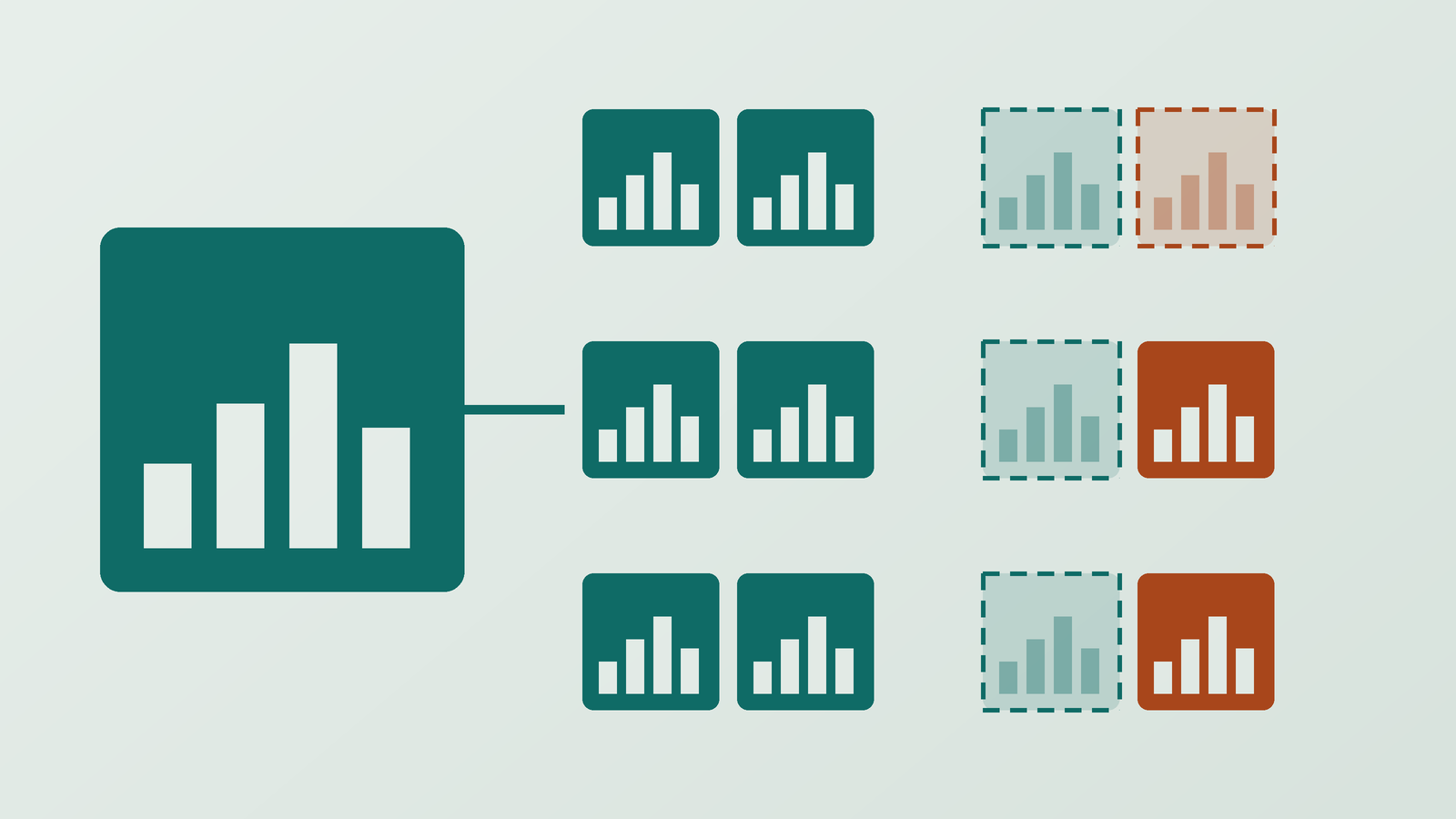
We fetched the domains of 48 once-popular websites that shut down, from Friendster to Ello, and recorded what each one serves today. 12 now host a new site, 3 of them on the exact pattern Google's spam policy calls expired domain abuse. We also read 14 ranking guides on buying expired domains: one mentions that policy. Here is what Google allows, and how to check a domain before you buy it.

Expired domains for SEO means buying a domain whose owner let it lapse, so you can keep the backlinks it already earned. It works because old links keep pointing at the domain long after the original site is gone. Since March 2024 Google's spam policies have named the abuse version directly: "Expired domain abuse is where an expired domain name is purchased and repurposed primarily to manipulate search rankings by hosting content that provides little to no value to users." To see what actually happens to these domains, we checked 48 famous dead websites. 12 now host someone's new site, and 3 of those look like the examples in Google's policy.
In a hurry? Here's the rule. Buying an expired domain isn't against Google's rules. Google says "It's fine to use an old domain name for a new, original site that's designed to serve people first." What it calls spam is buying a domain for its links and filling it with something unrelated: Google's own example is "Casino-related content on a former elementary school site". If your plan only works because of the old backlinks, that's the plan the policy describes.
On November 8, 2026 we looked at:
- 48 domains of defunct websites: 27 from Wikipedia's list of defunct social networking services and 21 from its defunct websites category. Each one used to be popular, so each still has a large set of backlinks from old articles and profiles.
- What each domain serves today: we fetched each homepage, followed every redirect and sorted the result into one of seven groups.
- 14 ranking guides on buying expired domains for SEO, tallied for what they tell you.
- Google's own words, from its spam policies, its March 2024 announcement, and John Mueller on the record.
What 48 dead websites' domains serve now#
Not all of these domains technically expired. Some were sold, some are still held by the company that closed the site. But all 48 sites stopped running, and that's when a domain's backlinks start looking for a new home.
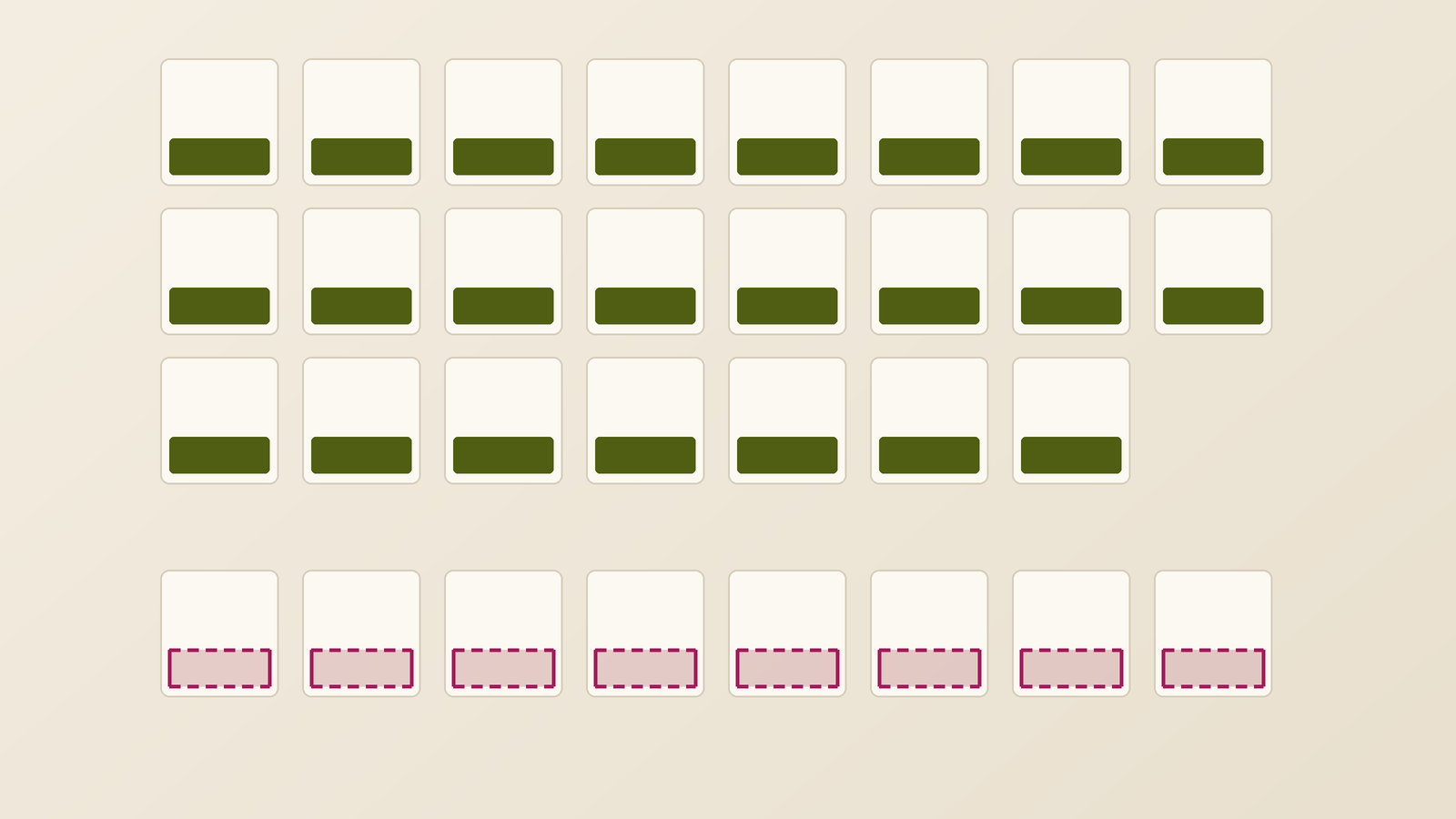
Most famous domains don't come back. 14 of the 48 were dead: 9 no longer resolve at all (Pownce, Brightkite, Dodgeball, StudiVZ, Furl and others), and the rest time out or return a bare error. Another 7 redirect to the former owner or a related site: FriendFeed goes to Facebook, Polyvore to SSENSE, Klout to Khoros. 4 still show a farewell or archive page, like Vine and Panoramio. 5 are parked or listed for sale.
12 host a new site. Six are relaunches that keep the old brand on the same topic: Friendster, Orkut, Yik Yak, SixDegrees, Gawker and Omegle. Omegle shut down in November 2023 with a farewell letter. Today omegle.com serves a new video-chat app with a sign-in page. We didn't verify who runs each relaunch, so we're not calling any of them good or bad. Only the topic is the same.
The other six now host something unrelated to the original site:
- ello.co, the ad-free social network, closed in 2023. It now redirects to a "Best Non-GamStop Casinos UK" affiliate site.
- ananova.com, the old news site with a virtual newsreader, is now "Ananova Business Web Hosting", a hosting review site that keeps the Ananova name.
- purevolume.com, once a music hosting site for bands, is now "Pure Volume", a pop-culture listicle blog with posts on retro hairstyles and Yellowstone facts.
- app.net is now a marketplace for paid calls, multiply.com redirects to an ad-tech company's corporate site, and vox.com is Vox Media's news site. Vox is a clear case of a big brand buying a good name, not spam.
The first three match Google's own examples almost exactly. A casino affiliate site on a former art community, and an affiliate site that keeps an old news brand's name, are what the policy means by content "that provides little to no value to users" placed on a domain bought for its history.
One more result is worth knowing about. posterous.com, Twitter's old blogging service, returns Heroku's "No such app" page. Its DNS still points at a hosting app that no longer exists, a loose end security people call a dangling DNS record. A domain doesn't have to drop to be at risk.
This is a small sample of famous sites, not a random draw from drop lists, so read it as an illustration. Six domains were unclear (blocked, JavaScript-only or timing out) and we left them in their own group rather than guess.
What Google actually says about expired domains#
Google's position has three parts, and you need all three.
The policy. The definition in Google's spam policies is about intent and value, not ownership history. Its three examples are "Affiliate content on a site previously used by a government agency", "Commercial medical products being sold on a site previously used by a non-profit medical charity" and "Casino-related content on a former elementary school site". Each one pairs a trusted old use with an unrelated commercial new one.
The announcement. Google's March 5, 2024 post put it more bluntly: "Expired domains that are purchased and repurposed with the intention of boosting the search ranking of low-quality content are now considered spam." The Search Central version added the line most guides leave out: "It's fine to use an old domain name for a new, original site that's designed to serve people first."
The engineer. Long before the policy, John Mueller was telling people not to count on the old links. In 2022 he wrote, as captured by Search Engine Roundtable: "Build a new site if you want, don't assume there's old & tasty SEO-juice to lick up just by placing a site on an old domain." In 2025 he added, also via Search Engine Roundtable, that "Sometimes it just takes a lot of time for the old state of a domain to be shaken off (sometimes that's also the case when it was parked for a while)".
So the fair reading is: you can buy an old domain and build something real on it. You shouldn't expect its old links to carry you, and you shouldn't buy it to borrow trust for a topic it never covered.
The part most guides leave out#
We read 14 ranking guides on buying expired domains for SEO. Five other results were blocked or redirected to sales pages, and we left them out.
Almost all of them cover the mechanics. 13 of 14 tell you to check the Wayback Machine, 12 tell you to check the backlink profile for spam, and 11 say the old topic should match yours. That's good advice, and it's most of what you need.
Almost none mention the policy. Only Name.com names Google's expired domain abuse policy and quotes it. None cites John Mueller. None shows its own data. And 12 of the 14 recommend 301-redirecting an expired domain to your own site, usually without saying that Mueller has spent years warning the old value may not come with it.
12 of the 14 come from companies that sell domains, domain tools or SEO services. That doesn't make the advice wrong. It does explain why the risk section is so short. Four of the guides even present private blog networks built on expired domains as an option. We've covered why that's a bad trade in our PBN backlinks post.
Want links that are yours from day one? GenLink's backlink agent finds sites already writing about your topic, pitches the page that fits from your own mailbox, and follows up. Start free with your site's URL; paid agents are $50 a month.
How to check an expired domain before you buy it#
If you still want an old domain, for its name, its type-in traffic or a genuinely related audience, run these five checks first.
1. Read its history. Open the domain in the Wayback Machine and look at snapshots from several years. You want one continuous topic that matches yours. Red flags: years of parking pages, a sudden switch to casino, pills or loans, or a foreign-language spam phase.
2. Check the backlinks, not the score. Look at the referring domains, not a single authority number. Are the links from real sites about the old topic? Are there thousands of links from a few spammy domains? Our guide on how to check backlinks covers the free tools, and toxic backlinks covers what to worry about.
3. Ask the policy question honestly. Would this purchase make sense if the backlinks counted for nothing? If the answer is no, you're in the territory Google's examples describe.
4. Plan a real site on the same topic. The safest use is to rebuild what the domain was known for, or to merge it into a closely related site you already run. A 301 redirect is fair when the old site's audience would want your page. Redirecting an old charity's domain to your product isn't.
5. Expect a slow start. Mueller's point about time is the honest warning: an old domain doesn't arrive with its old rankings. Budget for building the site the same way you'd build a new one, with content and earned links. Our link building for new websites guide is the plan for that.
Where that leaves you. An old domain is worth buying when the name itself is the asset or the old site covered your exact topic. If old links point at pages you used to run, link reclamation is the cleaner fix. For everything else, the same money spent on links editors choose to give you has nothing to shake off.
Skipping the domain auction? Paste your site and GenLink's backlink agent finds relevant publishers, sends each one a personal pitch and tracks replies. The free plan costs nothing to try.
Frequently asked questions#
What are expired domains in SEO? They're domains whose registration lapsed and became available to buy again. SEOs buy them because backlinks to the old site keep pointing at the domain, and they hope that link value will help a new site or a redirect.
Is buying expired domains against Google's rules? No. Google says "It's fine to use an old domain name for a new, original site that's designed to serve people first." Its spam policy targets buying an expired domain and repurposing it "primarily to manipulate search rankings by hosting content that provides little to no value to users."
Do backlinks from an expired domain still count? Don't assume they do. John Mueller has written "don't assume there's old & tasty SEO-juice to lick up just by placing a site on an old domain," and said it can take a long time for a domain's old state to be shaken off. Google doesn't publish how it treats each case.
Should I 301 redirect an expired domain to my site? Only when the old site's audience would genuinely want your page, such as a closely related site or one you're merging. 12 of the 14 guides we read recommend the redirect, but redirecting an unrelated domain to a money page is the pattern Google's policy describes.
What is expired domain abuse? It's Google's name, since March 2024, for buying an expired domain and filling it with low-value content to borrow its reputation. Its examples include affiliate content on a former government site and casino content on a former elementary school site. In our check, ello.co redirecting to a casino affiliate site fits the pattern.
How do I check an expired domain's history? Look at Wayback Machine snapshots across several years for one consistent topic, then review its referring domains in a backlink tool for spam. Avoid domains with long parking phases or a past switch to casino, pharma or loan content.
Are expired domains good for building a PBN? Expired domains are the usual raw material for private blog networks, which is exactly why they're risky. Google treats link schemes as spam, and a network of rebuilt dead domains is one of the easiest patterns to spot. See our PBN backlinks post for the full case.
The short version#
In our check of 48 famous dead websites, 12 now host a new site and 3 match Google's own abuse examples, while only 1 of 14 guides mentions the policy. Buy an old domain only if it would still make sense with zero links, and if you'd rather earn new ones, start on the free plan.